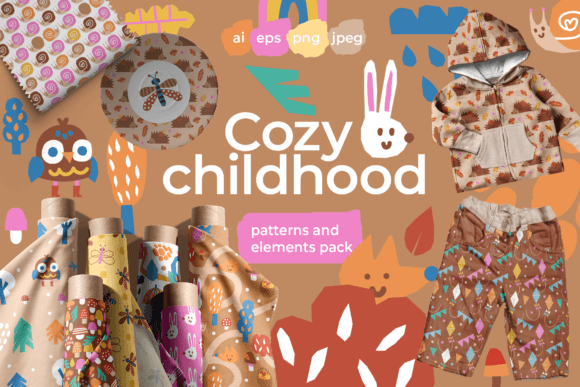
Сhildhood: A Designer's Review of Cozy Embroidery Patterns
When I first opened the folder for Сhildhood, the immediate feeling was one of warmth. As a designer who spends hours scrutinizing stitch paths and density maps, it is rare to find a collection that balances aesthetic charm with technical reliability right out of the gate. This set promises "all the magic of the cozy season," and visually, it delivers. However, my job is to look past the preview images and determine how these Patterns and Graphics actually perform when translated into thread on real fabric. Here is my practical evaluation of this collection for fellow embroidery designers, small business owners, and makers looking to elevate their product lines.
First Impressions: Mood and Visual Personality
The design language of Сhildhood leans heavily into nostalgia and comfort. The shapes are soft, avoiding harsh angles in favor of rounded, inviting forms that scream "handmade." The layout of the 12 main patterns feels intentional, offering a mix of standalone motifs and elements that could easily be combined into larger scenes. What stands out most is the visual personality; it does not try to be overly complex or hyper-realistic. Instead, it embraces a stylized approach that works exceptionally well for baby embroidery and holiday embroidery. The level of detail is calibrated perfectly for medium-sized hoops, ensuring that the charm remains visible even after the machine has done its work. For those selling design assets or finished goods, this mood is a powerful sales tool, tapping directly into the current market demand for cozy, cottage-core aesthetics.
Real-World Application: From Digital File to Finished Product
To truly test the viability of Сhildhood, I imagined a specific real-life scenario: preparing a custom order for a boutique client who wanted a matching set of tote bags and sweatshirts for a fall market launch. The goal was to create a cohesive look that felt premium yet approachable. I selected one of the cute patterns from the set for the tote bag design and a complementary element for the sweatshirt embroidery.
In this context, the collection shines. The designs are versatile enough to sit comfortably on a canvas tote without getting lost in the weave, yet they possess enough presence to look deliberate on a heavy cotton blend sweatshirt. For an Etsy seller or craft business owner, this versatility is gold. You are not limited to a single niche; these Graphics can transition from a nursery wall hanging to a kitchen towel with minimal adjustment. The 69 additional design elements mentioned in the description offer fantastic value for creating printable mockup previews or adding small accents to larger embroidery projects. When a customer sees a finished product featuring these motifs, the immediate reaction is often one of trust in the maker's eye for detail and trend awareness.
Technical Considerations and Fabric Compatibility
While the aesthetic appeal is high, a professional review must address the technical realities of stitching. Сhildhood performs well on stable, woven fabrics like linen, cotton twill, and denim. However, caution is advised when working with stretchy knits or textured fabrics like thick wool blankets. The stitch density appears moderate, which is generally good, but on highly textured surfaces, fine details might get swallowed up. If you are planning a custom apparel run on jersey knit, I strongly recommend using a high-quality cut-away stabilizer to prevent distortion over time.
Another critical factor is the hoop size. Some of the intricate elements in this set may require a smaller hoop to maintain tension and clarity. Before committing to a production run, always confirm the required hoop size against your machine's capabilities. Furthermore, when working on dark fabrics, you must carefully review the thread colors. The default color suggestions in the digital embroidery file might need tweaking to ensure sufficient contrast. A design that pops on cream linen might vanish on navy blue fleece unless you adjust the palette. Always test your machine embroidery design on a scrap piece of the actual fabric you intend to use. This simple step saves material and protects your reputation for quality.
Navigating Challenging Surfaces
There are specific scenarios where Сhildhood requires extra attention. Curved surfaces, such as caps or hats, can be tricky with detailed fills. If the design includes dense fill stitch areas, the curvature of a cap might cause puckering if the stabilizer isn't robust enough. Similarly, tiny lettering or very fine running stitch details should be inspected closely. If the design is scaled down too much for a small embroidered patch, those fine lines could merge, losing definition. For products that will undergo frequent washing, like aprons or tea towels, ensure that the satin stitch borders are dense enough to withstand friction without fraying. These are not flaws in the design itself, but rather standard considerations for any professional commercial embroidery project.
Enhancing Brand Value and Customer Engagement
Ultimately, the success of a design lies in how it elevates the perceived value of the handmade product. Using Сhildhood in your lineup signals to customers that you care about cohesion and theme. Whether you are creating personalized gifts for the holidays or building a permanent collection for your small shop product catalog, consistency builds brand recognition. The "cozy" vibe of these patterns encourages emotional connection, which is a key driver for buyer engagement. A well-executed holiday gift featuring these motifs feels thoughtful and curated, rather than mass-produced.
For digital product sellers, the inclusion of 69 extra elements allows for the creation of unique bundles. You can combine these Patterns to create new compositions, offering exclusive embroidery files that competitors do not have. This adds a layer of exclusivity to your shop, fostering customer loyalty.
Final Verdict and Designer Notes
Сhildhood is a solid addition to any designer's library, provided it is used with intention and technical foresight. It excels in creating atmosphere and connecting with audiences who value warmth and nostalgia. However, like any tool, its effectiveness depends on the skill of the user. Before launching into a large batch of commercial embroidery or listing new items on your store, adhere to these practical steps:
- Test on Scrap Fabric: Always stitch a sample on the exact material you plan to sell to check for puckering or thread breaks.
- Check Contrast: Verify that your chosen thread colors stand out against the background fabric, especially for dark garments.
- Review Density: Inspect the stitch density in software to ensure it suits the weight of your fabric.
- Confirm Licensing: Since this is a commercial asset, double-check the license terms regarding the sale of finished physical items versus digital redistribution.
- Mockup Testing: Create black-and-white mockups to ensure the design holds its shape and readability without relying on color.
- Stabilizer Selection: Match your stabilizer to the fabric type; do not guess, especially for stretchy or delicate materials.
In conclusion, Сhildhood offers a delightful blend of style and utility. It is well-suited for applique design adaptations, patch creation, and direct garment decoration. By respecting the technical nuances of embroidery and leveraging the strong visual identity of this collection, you can create finished products that not only sell but also bring genuine joy to the end user. It is a resource that, when handled with professional care, can become a staple in your creative arsenal.