Beach Bag: A Designer's Review for Real Embroidery Projects
When I first pulled up the Beach Bag design file on my screen, my initial reaction wasn't just about the aesthetic; it was about utility. As someone who spends hours digitizing and stitching for clients, I look past the pretty preview images to ask the hard questions: How will this stitch out on a textured tote? Will the details hold up after a wash cycle? Does this fit the current market demand for boutique summer goods? This review breaks down the Beach Bag from the perspective of a working designer who needs reliable design assets for commercial use.
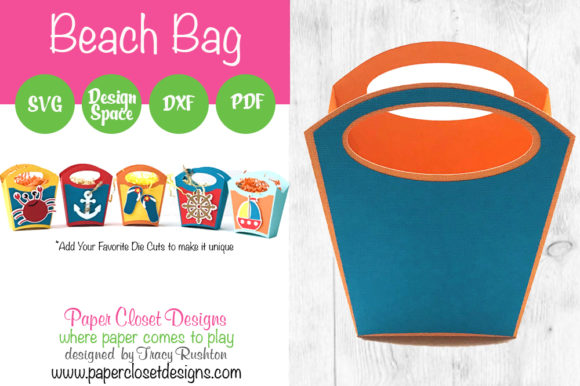
The design falls under the Shapes category, but don't let that simple classification fool you. In the world of 3D SVG and digital cutting files, a "box" shape often serves as the foundational element for something much more complex. The description notes it is a "great little box with so many uses," and in my experience, versatile base shapes are the backbone of a profitable craft business. Whether you are an Etsy seller looking to expand your summer collection or a hobbyist making personalized gifts, the adaptability of this file is its strongest feature.
First Impressions and Visual Personality
The mood of the Beach Bag design is inherently cheerful and functional. It evokes images of sunny days, coastal trips, and casual organization. Visually, the layout appears clean, which is crucial for embroidery. Overly complicated lines can turn into a thread mess, especially on smaller items. This design seems to strike a balance between definition and simplicity. The fact that it is "easily resized" is a massive plus. In machine embroidery design, scalability often leads to distortion, but a well-constructed vector-based shape like this should maintain its integrity whether you are shrinking it for a baby onesie or enlarging it for a large market tote.
For those of us who decorate with favorite die cuts or SVG cuts, this file acts as a perfect canvas. Imagine layering a monogram over this shape or adding floral applique design elements to the front panel. The visual personality is neutral enough to accept various themes without clashing, making it a safe bet for diverse client requests.
Real-World Application: The Summer Boutique Scenario
Let's walk through a realistic scenario. Suppose you run a small shop product line focusing on beachwear and accessories. You receive an order for a set of matching family tote bag designs. This is where Beach Bag shines. Because the file includes SVG and DXF formats alongside Design Space compatibility with perforation or score lines, you aren't limited to just stitching. You could cut the shape from vinyl for a heat press application or use it as a template for fabric appliqué before embroidering the details.
I can easily see this being used for sweatshirt embroidery as well. Picture a oversized, cozy crewneck with this shape stitched in a contrasting thread color on the chest. It creates a retro, graphic look that is very popular right now. For holiday embroidery projects, perhaps a "Summer Send-Off" gift basket, this shape could be stitched onto kitchen towels or aprons. The key here is the "finished product" appeal. Customers want items that look professionally made, not like a home experiment. If the stitch-out is crisp, this design elevates the perceived value of the item immediately.
Navigating Fabric and Hoop Challenges
However, no design is without its challenges. When working with a shape-based file like this, you must be mindful of your substrate. If you are stitching on a textured fabric like a waffle weave towel or a thick canvas tote, the edges of the shape need to be dense enough to cover the fabric grain but not so dense that they cause puckering. Stitch density is critical here. Before committing to a client's expensive garment, always test the design on scrap fabric of the same weight.
Curved surfaces present another hurdle. If you decide to use this for custom apparel like a cap or hat, the flat nature of the "box" shape might distort slightly over the curve of the crown. In these cases, using a strong stabilizer is non-negotiable. For stretchy fabrics like jersey knits used in baby embroidery, ensure you are using a cut-away stabilizer to prevent the design from warping over time. Tiny lettering or intricate corners within the design should be inspected closely; if the original file has very sharp internal angles, they may require manual tweaking in your embroidery software to prevent thread breaks.
Enhancing Brand Consistency and Customer Trust
From a branding perspective, consistency is king. If you are selling printable mockups or physical goods online, using a recognizable shape like the Beach Bag can help establish a visual signature for your brand. When customers see that specific silhouette, they should associate it with your quality. This builds trust. A sloppy stitch-out with poor thread colors or visible backing can destroy that trust instantly. Therefore, paying attention to the contrast between your thread and the fabric background is essential. Test the design in both black and white mockups to ensure the lines remain visible regardless of the color scheme.
For commercial embroidery projects, the licensing terms are paramount. The product description mentions it includes SVG, DXF, and Design Space files, but it does not explicitly detail the license for selling finished physical goods versus digital redistribution. As a professional, I always advise checking the specific license agreement provided by the creator before listing items on Etsy or at craft fairs. Assuming you have the right to sell finished items, this design offers a low-risk, high-reward opportunity for expanding your inventory.
Final Verdict for the Working Designer
In conclusion, the Beach Bag design is a practical, versatile tool for the modern maker. It bridges the gap between digital cutting and traditional stitching, offering flexibility for embroidered patch creation, garment decoration, and home decor. Its strength lies in its simplicity and resizeability, allowing it to adapt to everything from a tiny pocket on a child's dress to a large statement piece on a beach blanket.
My advice is to approach it with a strategist's mind. Plan your hoop size carefully to minimize jumps. Select high-quality threads that resist fading, especially since this theme suggests outdoor use. And always, always do a test run. When executed with care, this digital embroidery file can become a staple in your library, helping you create beautiful, saleable handmade products that customers love. It is not just a shape; it is a foundation for creativity and commerce.