Tree of Life 3D Layered: A Designer's Review
When I first pulled up the Tree of Life 3D Layered file on my screen, I wasn't just looking at a digital asset; I was visualizing the finished product in a client's hands. As someone who spends hours digitizing and stitching for small businesses and boutique owners, my first instinct is always to look past the pretty preview image and ask: "How will this actually behave under the needle?" This design immediately struck me with its organic flow and structural depth. It carries a mood of growth and connection, perfect for projects that need to feel grounded yet elegant. However, before committing this to a high-end sweatshirt or a custom tote bag, there are several practical factors every embroidery designer and craft entrepreneur needs to consider.
First Impressions and Visual Personality
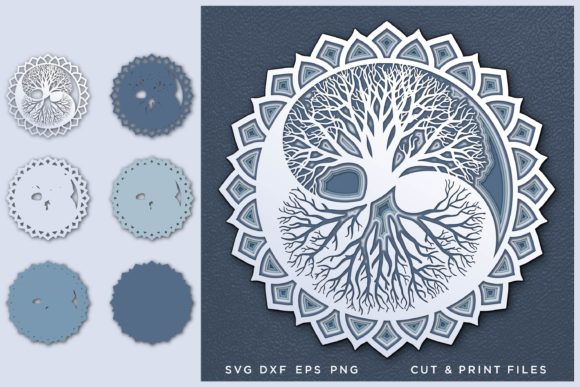
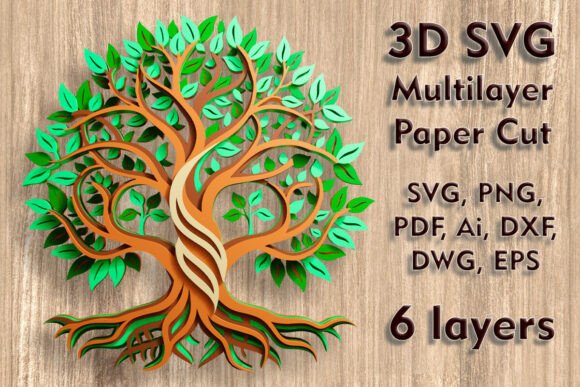
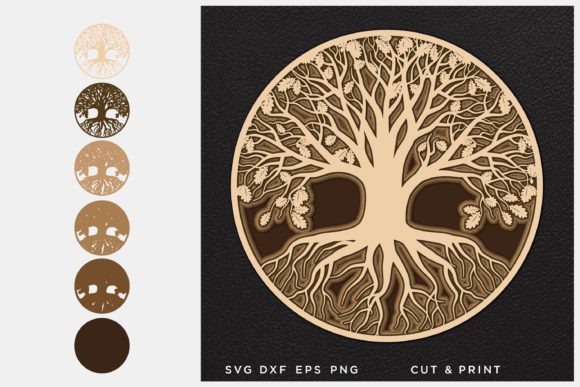
The silhouette of the Tree of Life 3D Layered is distinct. Unlike flat, two-dimensional motifs that can sometimes look lost on textured fabrics, this design leverages layering to create immediate visual interest. The branching patterns suggest movement, and the root system provides a solid anchor. For an Etsy seller or handmade shop owner, this visual personality is crucial. It tells a story without needing extra text. When I imagine this stitched out, I see it working beautifully as a centerpiece for a personalized gift, perhaps for a new home, a wedding, or a baby shower. The complexity of the branches suggests a higher perceived value, which is exactly what you want when pricing your finished product for a discerning customer.
It is worth noting that while this specific listing mentions formats like SVG, DXF, PNG, and PDF suitable for Laser Cutting and Wall Decor, us embroidery professionals need to be cautious. If you are adapting this for a machine embroidery design, you must ensure you have the correct embroidery file format (like PES, DST, or EXP) from the creator. Using a laser-cut vector file directly for stitching without proper digitization can lead to disastrous results, including broken needles and puckered fabric. Always confirm the file type matches your machine's requirements before starting your embroidery project.
Real-World Application: The Custom Tote Scenario
Let's walk through a realistic scenario. Imagine a local boutique owner approaches you to create a line of eco-friendly canvas tote bag designs featuring nature themes. The Tree of Life 3D Layered is a strong contender here. Canvas has enough weight to support the density of a tree motif without collapsing. In this context, the layered aspect of the design allows you to play with thread weights. You might use a slightly thicker thread for the trunk to give it a raised, tactile feel, while using finer threads for the delicate outer branches.
However, the execution matters. If you are stitching this onto a thin cotton tote, the stitch density becomes a critical factor. A design that looks crisp on a screen can become a stiff, cardboard-like patch on fabric if the density is too high. I would recommend running a test stitch on a scrap piece of the exact same canvas you plan to use. Check how the fabric pulls during the stitch-out. Does it pucker around the roots? Do the tiny branch tips register clearly? These are the details that separate a amateur-looking small shop product from a professional commercial embroidery piece.
Navigating Fabric Challenges and Hoop Sizes
One of the biggest hurdles with intricate designs like Tree of Life 3D Layered is fabric selection. While it shines on stable materials like denim, twill, or heavy cotton, it can be tricky on stretchy knits. If a client wants this on a sweatshirt embroidery project, you must use a high-quality cut-away stabilizer. The weight of the tree motif, especially if it covers a large area, can cause a lightweight fleece to sag over time if not properly supported.
Furthermore, consider the hoop size. Intricate trees often require a larger workspace to maintain the integrity of the branches. If you are forced to resize the design to fit a small 4x4 hoop for a baby embroidery item, like a onesie or a bib, you risk losing the fine details. The smallest twigs might merge into a solid blob of thread. In such cases, it is better to simplify the design or choose a different motif entirely. Never force a complex digital embroidery file into a space it doesn't fit; the result will rarely satisfy a paying customer.
Curved surfaces present another challenge. Applying this to a cap or a structured hat requires careful positioning. The center of the tree needs to align perfectly with the seam, and the curvature of the cap can distort the lower branches. For holiday embroidery gifts like ornaments or pillow covers, the flat surface is ideal, but for apparel, always do a dry run with your hooping technique to ensure the fabric remains taut throughout the stitch cycle.
Enhancing Brand Value and Customer Trust
For creative entrepreneurs and apparel decorators, the choice of design directly impacts brand perception. Using a well-executed Tree of Life 3D Layered motif signals attention to detail. When a customer receives a custom apparel item where the stitching is clean, the colors are vibrant, and the design feels substantial, their trust in your brand grows. This leads to repeat business and word-of-mouth referrals.
Visual appeal is also tied to color choices. While the default black or brown thread works for a classic look, don't be afraid to experiment. A monochromatic scheme using varying shades of green can create a modern, sophisticated printed mockup look even in thread. Alternatively, using metallic threads for the branches against a dark navy background can elevate the piece for a holiday collection. Just remember to check the contrast. If your thread colors blend too much with the fabric texture, the intricate layering will be lost, and the design will look muddy from a distance.
Practical Notes for the Professional Stitcher
Before you list this as a design asset in your shop or sell it as a finished good, keep these practical steps in mind:
- Test on Scraps: Never stitch a final product without testing the design on the same fabric and stabilizer combination first.
- Check Licensing: Since this is an instant download, verify the license terms. Can you sell the physical embroidered items? Can you resell the digital file? Clarity here protects your craft business from legal issues.
- Inspect Small Details: Zoom in on the digitized file. Are there unnecessary jump stitches? Is the underlay sufficient for the top stitching?
- Consider Washability: If this is for a kitchen towel or a frequently washed garment, ensure the edges are well-tied off and the density won't crack after multiple wash cycles.
- Mockup Verification: Create both light and dark fabric mockups. A design that pops on white might disappear on black without proper outlining or satin stitch borders.
In conclusion, the Tree of Life 3D Layered offers a versatile and meaningful aesthetic for a wide range of projects, from nursery decor to boutique fashion. Its success, however, relies entirely on the skill of the maker and the appropriateness of the application. By respecting the limitations of your materials, understanding the technical requirements of your machine, and maintaining a keen eye for detail, you can transform this digital file into a tangible piece of art that resonates with customers. Whether you are creating a one-off embroidered patch or a full line of merchandise, let the quality of your execution be the true measure of the design's value.