Seahorse in a Bottle: A Designer's Review for Real Projects
When I first opened the folder containing Seahorse in a Bottle, my immediate reaction wasn't just about the cuteness of the subject, but about its potential utility in a commercial setting. As someone who spends hours digitizing and reviewing files for client work, I look for designs that bridge the gap between whimsical art and practical application. This file, categorized under Shapes and offered as a 3D SVG, presents an interesting challenge. It is not merely a flat image; it implies depth and containment, which changes how we approach the stitching process. The mood is instantly coastal and nostalgic, evoking memories of beach vacations and bottled messages, making it a strong contender for summer collections or nautical-themed boutique lines.
Visual Personality and First Impressions
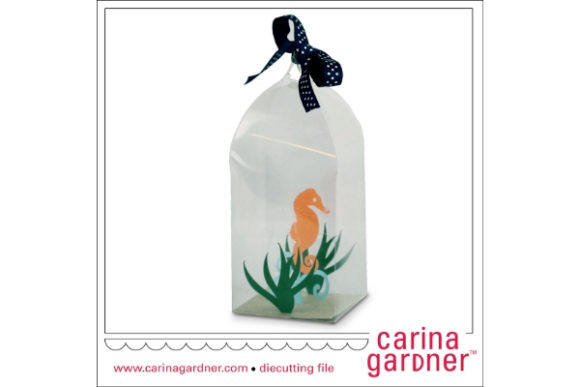
The layout of Seahorse in a Bottle feels balanced. The curvature of the bottle provides a natural frame for the seahorse, creating a self-contained composition that works well without needing excessive background elements. For an embroidery designer, this is crucial because it means less time worrying about hooping large areas of negative space. The visual personality is playful yet refined. It avoids being overly childish, which expands its market appeal beyond just baby items to include adult apparel and home decor. When viewing the digital embroidery file preview, the lines appear clean, suggesting that the transition from vector to stitch should be smooth, provided the machine settings are dialed in correctly.
Real-World Application: The Summer Tote Scenario
To truly evaluate this design, I imagined a specific real-life scenario: preparing a custom order for a local beach shop needing branded tote bag design options. The client wanted something that felt handmade but professional. Seahorse in a Bottle fit this brief perfectly. On a canvas tote, the definition of the bottle's glass effect and the texture of the seahorse would need to pop against a potentially rough fabric texture.
If I were executing this as a finished product, I would likely treat it as an applique design or a dense fill project depending on the specific stitch instructions included in the package. For a sweatshirt, the design offers enough surface area to utilize varied stitch types like satin stitch for the outline and fill stitch for the body, creating tactile interest. Customers touching the final item would appreciate the dimensionality, reinforcing the perception of value. For an Etsy seller, this kind of detail translates directly into higher perceived worth and better photography results for printable mockup listings.
Navigating Fabric Challenges and Hoop Constraints
However, no design is without its constraints. When working with Seahorse in a Bottle, one must be mindful of the hoop size. While the file is versatile, the intricate curves of the bottle and the tail of the seahorse require a stable hoop environment. If you are attempting this on a curved surface like a cap, you must ensure the design fits within the available stitching field without distortion.
Fabric choice is equally critical. On thin or stretchy fabrics, such as a lightweight t-shirt or a baby onesie for baby embroidery, the stitch density could cause puckering if not managed with the right stabilizer. I always advise testing the design on scrap fabric first. This is non-negotiable for professional results. Check how the thread colors interact with the base material; a dark fabric might require a white underlay or a slight adjustment in the design's contrast to ensure the "glass" effect of the bottle remains visible. For textured fabrics like towels, a running stitch outline might get lost, so a heavier satin border might be necessary to define the shape clearly.
Commercial Viability and Brand Consistency
For those running a craft business, consistency is key. Seahorse in a Bottle offers a level of professionalism that supports brand identity. Whether used for holiday embroidery gifts, wedding favors, or standard custom apparel, the design maintains a cohesive look. It signals to the buyer that the creator cares about aesthetic details. In the context of commercial embroidery, this design serves as a reliable asset. It is distinct enough to be recognizable but generic enough to fit various themes, from ocean conservation campaigns to seaside café merchandise.
The value of this design also lies in its adaptability for different product lines. It works beautifully as an embroidered patch that can be sewn onto jackets or bags later, offering flexibility in production workflows. For digital product sellers, the inclusion of SVG and PNG files compatible with major cutting machines like Silhouette and Cricut means you can offer hybrid products—perhaps an embroidered shirt with a matching vinyl decal for a water bottle, creating a bundled offer that increases average order value.
Practical Notes for the Serious Maker
Before committing to a full production run, there are several technical checks to perform. First, verify the licensing terms. Just because a file is purchased does not automatically grant unlimited commercial rights; always confirm whether you can sell the finished product or if there are restrictions on the number of units. Second, inspect the small details. The neck of the bottle and the tip of the seahorse's tail are potential trouble spots where threads might break or jump if the digitizing isn't tight.
I recommend creating black and white mockups to check the contrast and readability of the design before selecting your thread colors. Sometimes, a design looks great in color but loses its form when viewed from a distance or in low light. Additionally, consider the washability of the final item. Dense areas may become stiff after multiple washes, so advising customers on care instructions is part of delivering a quality handmade product. If the design includes tiny lettering or extremely fine lines, it may not hold up well on items destined for frequent laundering, such as kitchen towels or gym bags.
Final Verdict on Design Assets
In conclusion, Seahorse in a Bottle is a robust addition to any designer's library. It strikes a balance between artistic charm and technical feasibility. While it requires thoughtful preparation regarding stabilizers and fabric choices, the end result is a high-quality embellishment that elevates simple garments into boutique-tier goods. For the small shop product lineup, it offers versatility and visual appeal. By respecting the technical limitations and leveraging its strengths, you can create personalized gifts and commercial items that resonate with customers and stand the test of time. Always remember to check the specific file details provided in the zip folder to ensure compatibility with your specific workflow, but generally, this is a safe and stylish bet for your next embroidery project.