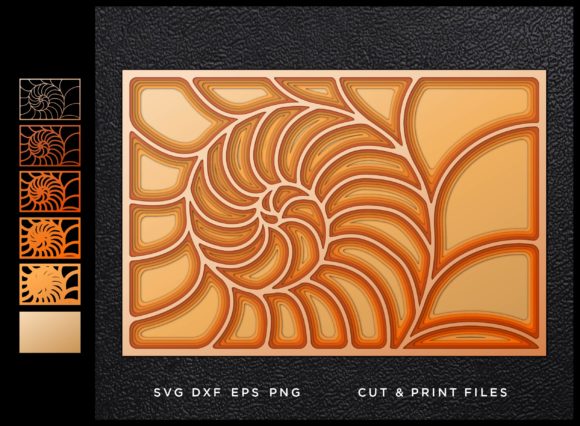
Nautilus Cut Mandala 3D: A Designer's Real-World Review
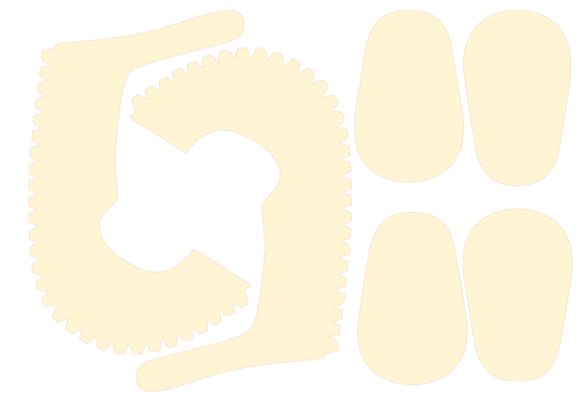
When I first pulled up the Nautilus, Cut Mandala, Multilayer 3D file on my screen, I didn't just see a digital asset; I immediately started visualizing thread charts and stabilizer choices. As someone who spends hours digitizing and reviewing designs for actual production, my first instinct is always to look past the pretty preview image and ask: "How will this actually stitch out?" This design falls under the Shapes category, but calling it a simple shape feels like an understatement. It is a complex interplay of geometry and organic flow that demands respect from the machine operator.
The mood this piece creates is one of structured elegance. The nautilus spiral is a classic symbol of growth and perfection, and when combined with the intricate cut-outs of a mandala, it results in a visual personality that is both mathematical and artistic. For embroidery designers and small business owners, this duality is gold. It appeals to customers looking for something modern yet timeless. Whether you are an Etsy seller listing a new collection or a hobbyist making a personalized gift, the aesthetic here is high-end boutique.
Visualizing the Finished Product in Real Scenarios
To truly evaluate this 3D SVG, I imagined a specific project: a custom embroidered tote bag for a local farmer's market vendor. The client wanted branding that felt organic but sophisticated. Placing the Nautilus design on a heavy canvas tote immediately made sense. The multilayer aspect suggests depth, which is crucial for standing out on textured fabrics like canvas or twill. If I were stitching this for a sweatshirt embroidery project, the layered nature of the design would add a tactile quality that flat prints simply cannot achieve.
However, the real test is how it translates from a digital embroidery file to a physical finished product. In a real-life scenario, imagine preparing a set of kitchen towels for a wedding gift. The crisp lines of the mandala cuts would look stunning against white linen, provided the stitch density is managed correctly. For baby embroidery projects, such as a nursery wall hanging or a soft blanket, the gentle curve of the nautilus offers a soothing visual rhythm. It is not aggressive or overly busy, making it suitable for delicate items where simplicity often reigns supreme.
For those running a craft business, versatility is key. This design could easily serve as the centerpiece for an embroidered patch, especially given its defined outer edges. Patches are huge right now for boutique branding, and a multilayer design adds perceived value. When a customer holds a patch with visible layering and texture, they perceive the handmade product as more premium, which directly impacts your ability to charge higher prices.
Technical Considerations for Machine Embroidery
Let's get into the nitty-gritty of machine operation. Because this is described as a "Multilayer 3D" design, we have to talk about registration and fabric stability. When working with any design that implies depth or multiple layers, the risk of shifting increases. If you are planning to use this on stretchy fabric, like a jersey t-shirt or a cap, you must be vigilant with your stabilizer choice. A cut-away stabilizer is likely non-negotiable here to support the weight and complexity of the stitches over time.
The term "Cut Mandala" implies there are open spaces or perhaps applique elements involved. If this design utilizes an applique design technique where fabric is cut away or layered underneath, the precision of your hoop size becomes critical. You need to ensure the fabric is drum-tight. Any slack could result in the intricate details of the mandala becoming distorted. For curved surfaces like caps, this design might be challenging unless the digitizing accounts for the push and pull of the curve. I would advise testing this on a scrap piece of similar fabric before committing to a client's garment.
Thread color contrast is another major factor. With a nautilus spiral, using a monochromatic thread palette can emphasize the form and the 3D effect through shadow and texture alone. However, if you choose high-contrast thread colors, you risk breaking up the fluidity of the spiral. For holiday embroidery or festive items, metallic threads could highlight the "cut" aspects beautifully, but be wary of thread breakage if the stitch density is too high in those detailed corners.
Navigating Fabric Textures and Limitations
Not every fabric is a friend to complex geometry. While this design shines on stable mediums like denim, canvas, or home decor weight cotton, it requires caution on thin fabric. If you attempt this on a sheer chiffon or a lightweight rayon without proper backing, the dense stitch areas could pucker or tear the material. The "3D" nature suggests volume, and volume requires a solid foundation.
Furthermore, consider the washability of the final item. If this is going onto a child's bib or a frequently washed tea towel, the edges of the cut mandala sections need to be secure. Fraying is the enemy of professional presentation. If the design relies on satin stitch borders to encase raw edges, ensure the stitch width is sufficient. For commercial embroidery projects where durability is paramount, a tighter fill stitch or a well-defined running stitch outline might be necessary to maintain integrity after dozens of wash cycles.
Enhancing Brand Value and Customer Trust
From a business perspective, the choice of design assets directly influences brand consistency. Using a high-quality, distinct shape like the Nautilus helps in creating a recognizable visual language for your shop. When customers see a consistent level of detail and thoughtful design application across your printable mockup and actual products, trust builds. It signals that you care about the aesthetics of your handmade shop merchandise.
This design also works exceptionally well for digital product sellers who create printable mockups. The clear silhouette and interesting internal structure make it easy to visualize on various product templates, helping you sell the idea of the custom apparel before the needle even hits the fabric. For Etsy sellers, listing photos that showcase the texture and layering of this design can significantly boost buyer engagement.
Practical Notes for the Embroidery Artist
Before you download and start stitching, here are my top recommendations for working with Nautilus, Cut Mandala, Multilayer 3D:
- Test First: Always stitch a sample on scrap fabric that matches the weight and texture of your final project. This reveals issues with tension or density early.
- Check Licensing: Since this is an instant digital download, verify the license terms. Ensure you are allowed to use it for commercial embroidery projects if you plan to sell the finished goods.
- Stabilizer Strategy: Don't skimp on stabilizer. For multilayer designs, sometimes a combination of cut-away and tear-away yields the best results.
- Contrast Check: View your design in black and white on your computer screen. If the details disappear in grayscale, they might get lost in the stitching too.
- Hoop Confirmation: Verify the required hoop size against your machine's capabilities. Complex mandalas often need larger hoops to maintain proper tension throughout the run.
In conclusion, the Nautilus, Cut Mandala, Multilayer 3D is a compelling option for designers who want to elevate their portfolio. It bridges the gap between geometric precision and organic beauty. While it demands a skilled hand and careful preparation regarding fabric choice and stabilization, the payoff is a finished product that feels substantial and professionally crafted. Whether you are decorating a single personalized gift or producing a line of small shop products, this design offers the versatility and visual impact needed to succeed in today's competitive craft market. Just remember, the magic happens not in the download, but in the thoughtful execution of the stitch.