Slimline Card Envelope: A 3D SVG Shape for Brands
As a brand designer and content marketer, I am constantly scouting for graphic design assets that bridge the gap between digital efficiency and tactile warmth. In a landscape saturated with flat, generic templates, finding a creative design element that adds depth without clutter is rare. My first impression of the Slimline Card Envelope was one of immediate utility mixed with aesthetic potential. This isn't just a background; it is a structural component that dictates how an audience perceives the value of the message inside. The mood it creates is intimate yet professional, suggesting a "private invitation" feel that works exceptionally well for lifestyle content, handmade product launches, and exclusive event promotions.
The asset functions as a 3D SVG within the Shapes category, which is crucial for modern workflows. Unlike static raster images, this vector-based element allows for infinite scalability and color customization, ensuring it fits seamlessly into any brand identity. When reviewing this for a real-world campaign, imagine a small business owner launching a seasonal offer or a coach releasing a new digital guide. The Slimline Card Envelope serves as the perfect vessel for these announcements. It transforms a standard social media post into a tangible experience, psychologically prompting the viewer to want to "open" the message. This emotional connection is vital for improving audience trust and engagement rates.
Elevating Visual Hierarchy in Marketing Campaigns
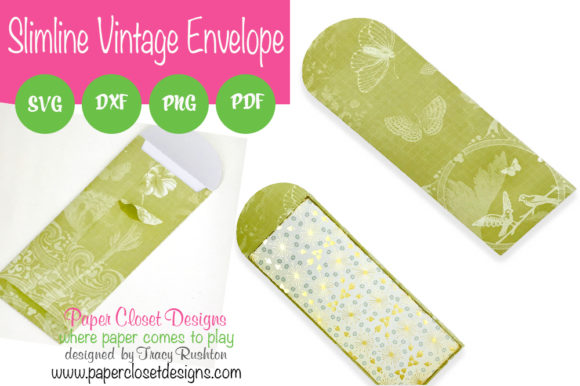
In practical marketing situations, the primary challenge is often establishing a clear visual hierarchy. Where does the eye go first? The Slimline Card Envelope solves this by framing the core message. Because the Slimline Envelope measures 9.75 x 3.5 when folded and fits a slimline card, it provides a defined horizontal canvas that naturally guides the reader's gaze from left to right. This makes it an ideal choice for digital ads, email banners, and Pinterest pins where space is premium but impact must be high.
The file includes an envelope and outside embellishment panel, which offers a unique opportunity for layering. In a recent project concept for a boutique skincare line, I envisioned using the embellishment panel to hold the logo while the main envelope body contained the promotional text. This separation creates a sophisticated professional branding look that avoids the messiness of overcrowded graphics. Whether used for packaging design mockups, product labels, or editorial design in a blog post, the asset supports stronger recognition. It signals to the customer that the content inside is curated and valuable, rather than just another noise-filled advertisement.
Furthermore, this SVG design pairs beautifully with various typography styles. I tested it against bold sans-serif fonts for a modern, punchy look, and it equally supported elegant script fonts for a more romantic, handwritten vibe. This versatility means it can adapt to small business branding across different niches, from tech startups needing clean lines to wedding planners seeking soft, inviting aesthetics. By integrating this design bundle element into your Canva template kits or printable design products, you add a layer of perceived value that justifies higher price points for your services or digital products.
Strategic Applications for Content Creators
The true power of the Slimline Card Envelope lies in its specific applications. It shines brightest in hero graphics, campaign headers, and product launch visuals. For instance, if you are creating a media kit or a lead magnet cover, placing your title inside this envelope shape instantly categorizes the document as something special. It works effectively for social media graphics on Instagram and Facebook, where the horizontal format stands out against the typical square or vertical scroll. It can also be adapted for web design headers, giving a website a unique, non-standard navigation bar feel.
However, a seasoned designer knows that every asset has its limits. You should use the Slimline Card Envelope carefully in formal corporate branding where strict minimalism is required, or in dense information layouts where the decorative elements might compete with the main message. It is less effective on very small mobile graphics if the details of the embellishment panel get lost. Additionally, avoid using it on low-contrast backgrounds; the 3D effect relies on shadow and light to create depth, so it needs sufficient contrast to pop. If your brand relies on overly minimal, flat design principles, this asset might feel too ornate unless simplified.
Designer Notes for Implementation
To maximize the ROI of this graphic design asset, follow these practical steps before launching your campaign. First, test the envelope with your specific brand color palette. While the default look is charming, recoloring it to match your hex codes ensures consistent branding. Second, check its usage in black and white. A strong design should hold up even without color, which is essential for faxed documents or monochrome printing scenarios.
Always place the asset inside real campaign mockups before finalizing. Preview it on mobile screens to ensure the text within the 9.75 x 3.5 ratio remains legible. Compare it against competitor visuals to ensure you aren't replicating a common trend but rather elevating your own unique voice. Pay attention to spacing and balance; do not let the text touch the edges of the envelope. Finally, confirm the commercial license terms. Since this is intended for commercial design use, ensuring you have the rights to use it in paid campaigns, client work, or for selling your own digital product visuals is non-negotiable.
The Slimline Card Envelope can also be used with the Vintage Ticket Slimline Card or other printable counterparts to create a cohesive suite of materials. This interoperability makes it a staple for creators building comprehensive design assets libraries. Whether you are designing stickers, merchandise, or complex marketing visuals, this tool offers a blend of nostalgia and modern functionality. By leveraging its structure, you create modern design outputs that feel handcrafted and intentional. In the competitive world of the creative marketplace, such attention to detail is what separates amateur efforts from professional branding that converts.