Chick Card: A 3D SVG Shape for Modern Branding
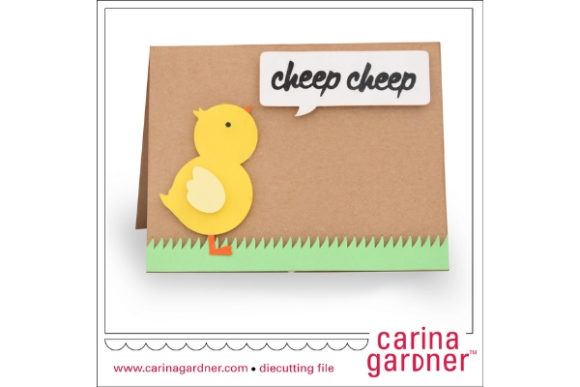
As a graphic designer constantly sifting through the noise of the creative marketplace, my first priority when evaluating a new graphic design asset is its potential for real-world application. I don't just look at whether an image is cute; I analyze its structural integrity, its scalability, and how it will hold up under the scrutiny of a paying client's brand guidelines. Recently, I downloaded Chick Card to test its viability for a seasonal campaign I am developing for a handmade baby boutique. This isn't just a simple clipart file; it is a nuanced 3D SVG that offers depth and character rarely found in standard flat Shapes.
Upon opening the Zip file containing SVG and PNG file types, my initial impression was one of refined playfulness. The visual mood strikes a perfect balance between whimsical and professional. Unlike many juvenile illustrations that feel too cartoonish for high-end packaging, Chick Card possesses a stylized geometry that feels intentional and modern. The lines are clean, suggesting it was built with precision in mind, likely appealing to designers who work extensively in Adobe Illustrator or Silhouette Studio. For a client looking to establish a warm, approachable, yet polished brand identity, this asset provides an immediate emotional hook without sacrificing sophistication.
Integrating Depth into Commercial Design Projects
The true test of any digital product is how it performs across various media. In my review process for this specific client project—a spring launch for organic cotton onesies—Chick Card proved remarkably versatile. Because it functions as a robust 3D SVG, it integrates seamlessly into product mockups where lighting and shadow play a crucial role. When placed on a t-shirt design or a sublimation design for a mug, the layered elements of the shape create a sense of dimension that flat vectors often lack.
I tested the asset in several key areas of the marketing mix. For packaging design, specifically hang tags and box lids, the illustration served as a charming focal point that elevated the perceived value of the product. It works exceptionally well as a hero graphic on social media graphics, particularly for Instagram stories and Pinterest pins where visual stop-power is essential. Furthermore, for clients running an Etsy product line, this type of illustration is gold. It can be easily adapted into a sticker design or used as a central element in a printable design bundle for nursery wall art.
The compatibility with cutting machines like Cricut Design Space and Scan N Cut expands its utility beyond digital screens. For the handmade business owner, this means the same asset used in a web banner can be cut from vinyl for physical merchandise, ensuring total brand consistency across online and offline touchpoints. This dual functionality is what separates a basic clipart file from a comprehensive design bundle suitable for serious commercial use.
Strategic Placement and Visual Hierarchy
While Chick Card is a strong performer, a professional designer knows that context is everything. This asset shines brightest in large layout areas where its intricate details can be appreciated. It is ideal for decorative accents on invitations, themed collections for seasonal campaigns, and as a supporting brand element on tote bags. However, caution is required when deploying it in crowded layouts. Because the 3D SVG nature implies depth and potentially complex layering, shrinking it down to a tiny favicon or embedding it within a text-heavy editorial design could result in a loss of clarity.
In terms of visual hierarchy, Chick Card demands attention. It should not be competing with busy backgrounds or low-contrast color palettes. I found that it pairs beautifully with sans serif fonts for a modern look or handwritten fonts to enhance the handmade aesthetic. However, for minimalist branding or projects requiring a very strict, corporate visual hierarchy, this asset might be too expressive. It thrives in environments that celebrate creativity, such as small business branding for bakeries, pet stores, or children's boutiques, rather than in sterile financial reports.
Technical Review and Designer Notes
Before signing off on any asset for a client, I run a rigorous technical checklist. Here are my practical notes for anyone considering Chick Card for their next commercial design project:
- File Format Inspection: Always inspect the PNG design files for transparency quality. Ensure there are no jagged edges or white halos around the shape, which can ruin a professional product mockup.
- Vector Editability: Open the SVG design in your preferred vector software. Check if the layers are grouped logically. Can you easily recolor individual elements to match a client's specific hex codes? This flexibility is crucial for custom logo design adaptations.
- Contrast Testing: Test the asset in black and white. Does it hold its form without color? Also, preview it on both light and dark backgrounds to ensure the 3D effects do not disappear against similar tones.
- Scale Verification: Preview the image at small sizes (e.g., 1 inch) and large formats (e.g., poster size). Ensure the details do not blur or become indistinguishable when scaled down for a Canva template or mobile ad.
- Licensing Confirmation: Most importantly, verify the commercial license terms. Ensure you are cleared to use the asset for print-on-demand sales and client work, as restrictions vary by creator.
Ultimately, Chick Card represents the kind of thoughtful creative design that saves time and elevates output. It bridges the gap between a fun Cricut project and a legitimate marketing visual for a growing brand. By understanding where to place it and how to manipulate its Shapes and layers, designers can create cohesive, engaging, and highly professional results that resonate with audiences and drive engagement.