Esabox Review: A Designer's Take on 3D Christmas SVGs
As someone who spends most of my days hunched over an embroidery hoop or tweaking vectors in design software, I approach new files with a healthy dose of skepticism. The market is flooded with generic holiday graphics that look great on a screen but fall apart the moment a needle hits the fabric. That is why I took a close look at Esabox, a collection of Christmas themed 3D SVG files, to see if they hold up under the scrutiny of real-world production. This isn't just about whether the lines are clean; it is about whether this embroidery file can actually help you build a profitable craft business or create a heirloom-quality personalized gift.
First Impressions and Visual Personality
When I first opened the Esabox package, the immediate takeaway was the intentionality behind the shapes. Unlike many holiday designs that rely on overly complex details which turn into thread blobs, these vectors possess a bold, graphic quality that translates exceptionally well to stitching. The mood is festive without being cluttered, offering a modern twist on traditional holiday embroidery. The layout feels balanced, suggesting that the creator understands the limitations and strengths of machine stitching. For a designer, this visual personality is crucial because it dictates where the design will shine. It feels less like a clip-art afterthought and more like a purposeful design asset ready for commercial application.
Real-World Application: The Holiday Tote Scenario
To truly test the viability of Esabox, I imagined a specific project scenario that many Etsy sellers and boutique owners face during the fourth quarter: creating a run of custom embroidered tote bags for a local market. Tote bags are tricky; the canvas texture can be unforgiving, and the stakes are high for holiday gifts. Using the 3D SVG elements from Esabox, I visualized how the layers would interact. The depth suggested by the file allows for a playful interplay of satin stitch borders and fill stitch bodies.
In this context, Esabox excels because the shapes are distinct enough to pop against the woven texture of a tote bag. If you were to apply this to a sweatshirt embroidery project, the design's clarity would ensure it remains readable even on fuzzy fleece. For a small shop product, this level of readability translates directly to perceived value. Customers scrolling through an online store need to instantly recognize the motif, and the strong silhouette of these Christmas designs ensures that your finished product grabs attention in a crowded feed.
Navigating Fabric Challenges and Stitch Density
However, no design is universal, and a professional review must address where caution is needed. While Esabox offers fantastic potential, the stitch density and detail level require careful consideration depending on your substrate. If you are working with thin fabrics like a lightweight linen tea towel or a delicate baby onesie, you must be vigilant. Dense areas in a 3D SVG can cause puckering if the stabilizer isn't up to the task. I strongly advise testing the design on scrap fabric that matches your final material before committing to a client order.
Furthermore, consider the hoop size constraints. Some of the more intricate arrangements in the collection might push the limits of a standard 4x4 hoop, potentially requiring re-digitizing or scaling down, which could compromise the tiny details. When working on curved surfaces like caps or hats, the rigidity of certain geometric elements in the design might resist the curve, leading to gaps in coverage. For baby embroidery, where softness is paramount, you might need to adjust the underlay or choose a lighter weight thread to prevent the embroidered patch effect from feeling too stiff against sensitive skin.
Enhancing Brand Value and Customer Trust
The true power of using a high-quality file like Esabox lies in brand consistency. When you sell custom apparel or handmade decor, your reputation hinges on the professionalism of the output. A design that stitches out cleanly, with sharp corners and consistent thread colors, builds immediate trust. It signals to the buyer that care went into the creation process. Conversely, a design that frays or loses definition can damage your reputation as an embroidery designer or maker. By choosing assets that are technically sound, you protect your brand equity. Whether you are creating a printable mockup for a digital listing or stitching the actual item, the crispness of Esabox adds a layer of polish that justifies a higher price point.
Practical Notes for the Professional Maker
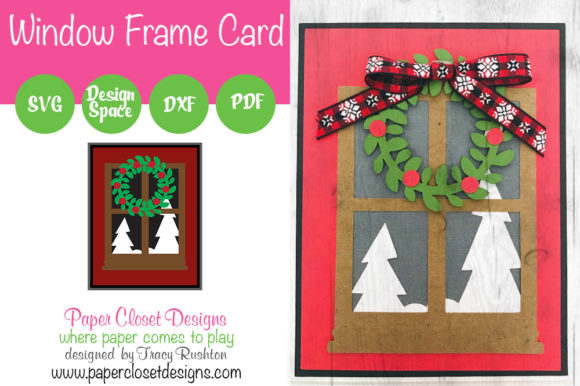
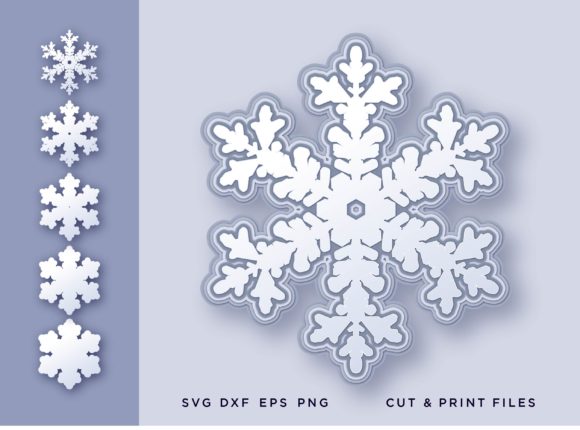
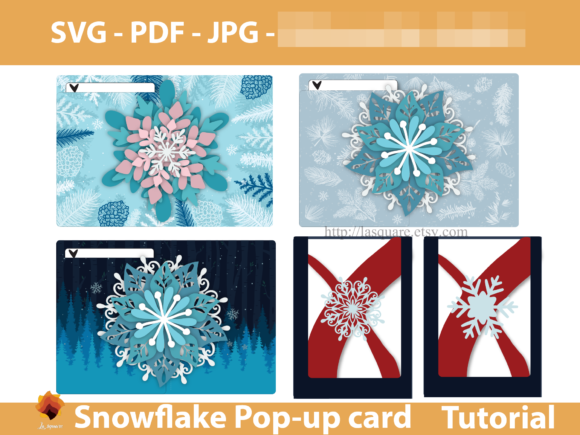
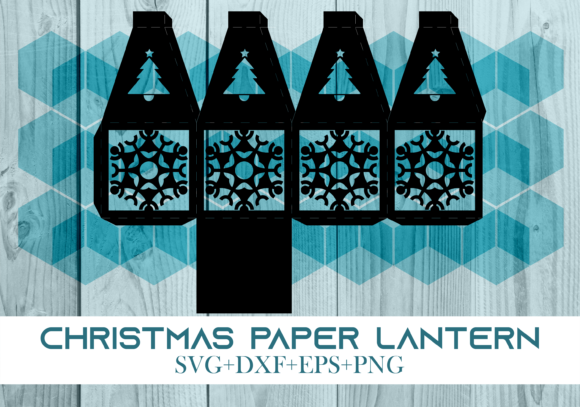
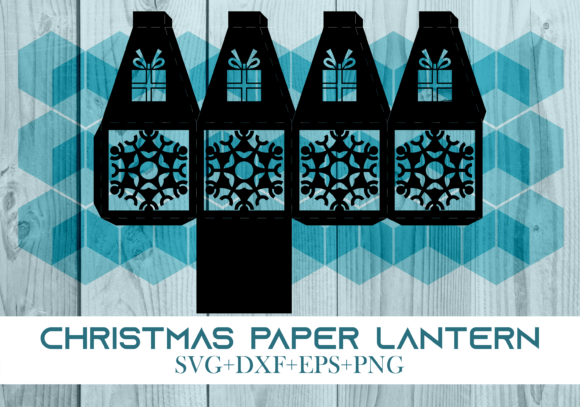
Before you dive into production with Esabox, here are a few practical steps to ensure success. First, always verify the compatibility of the provided formats. The package includes SVG, DXF, PDF files compatible with Silhouette Studio, Cricut Design Space, and Scan-N-Cut, along with a photo tutorial. However, if you are using a dedicated embroidery machine, ensure you have the correct conversion tools or digitized versions if these are primarily cut files being adapted for stitching.
- Test Color Contrast: Run a black and white mockup to ensure the different layers of the 3D design remain distinct without relying on color alone.
- Check Licensing: Always confirm the license terms before selling finished items or digital products derived from these assets.
- Fabric Selection: Avoid using these dense designs on highly stretchy fabrics without a robust stabilizer strategy.
- Detail Inspection: Zoom in on small corners and lettering (if any) to see if they meet your machine's minimum stitch length capabilities.
Ultimately, Esabox represents a solid choice for those looking to elevate their Christmas catalog. It bridges the gap between digital creativity and tactile reality. By respecting the material limitations and leveraging the strong visual identity of these files, you can create commercial embroidery pieces that stand out. Whether you are decorating a kitchen towel, branding a boutique apron, or crafting a unique holiday gift, this collection offers the versatility and quality needed to succeed in today's competitive handmade market.