Valentine Love and Hearts Pillow Box: 3D SVG Gift Boxes
When a local boutique owner approached me last month to revamp their seasonal packaging for an upcoming Valentine's Day pop-up, the brief was specific: they needed something that felt handmade yet polished, romantic but not cliché. Scouring the creative marketplace for a solution, I stumbled upon the Valentine Love and Hearts Pillow Box. As a designer who frequently bridges the gap between digital files and physical products, my first impression was one of cautious optimism. The preview images suggested a clean, vector-based approach to a classic shape, promising the scalability required for professional packaging design.
The visual mood of this asset is undeniably warm and inviting. It captures that specific "handmade business" aesthetic that resonates so well with small business branding today. Unlike generic clipart that often feels flat or overly saturated, these designs possess a structural integrity that hints at their function as Gift Boxes before they are even cut. The style represents a modern take on traditional romance, utilizing clean lines and balanced proportions that avoid looking dated. For a client targeting a demographic that appreciates artisanal quality, this graphic design asset fits the bill perfectly, offering a cohesive look that can elevate a simple favor into a memorable brand experience.
From Digital File to Tangible Brand Experience
In real-world design situations, versatility is king. While the primary function of the Valentine Love and Hearts Pillow Box is obviously structural packaging, its utility extends far beyond holding candies. In my workflow, I often deconstruct 3D SVG files to use their elements in broader brand identity systems. The heart motifs and the distinct pillow shape can be isolated to create complementary social media graphics, such as Instagram story backgrounds or Pinterest pins that tease the unboxing experience.
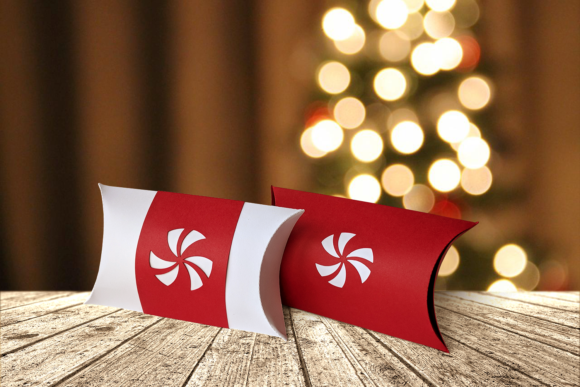
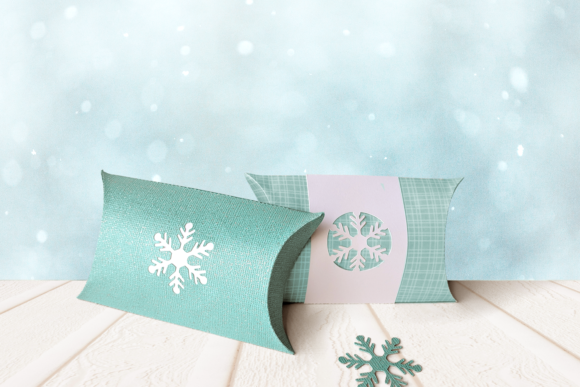
For Cricut users and crafters, the precision of the cut lines is paramount. This set includes four different pillow box designs, providing enough variety to prevent monotony in a product line while maintaining visual consistency. Imagine a scenario where a wedding planner uses these for table favors; the ability to scale the SVG design without losing edge definition ensures that whether the box is miniaturized for a single chocolate or enlarged for a gift card, the result remains crisp. Furthermore, these elements translate beautifully into other mediums. I could easily see the heart cut-out patterns adapted for sticker design, applied to tote bags as a sublimation design, or even incorporated into a t-shirt design for staff uniforms during the holiday rush.
The asset shines brightest in large layout areas and hero graphics where the intricate details of the fold lines and cut-outs can be appreciated. It serves as an excellent decorative accent in themed collections, adding a layer of tactile anticipation to campaign visuals. When placed on high-quality product mockups, the shadow and depth implied by the vector paths help stakeholders visualize the final physical object, making it a powerful tool for pitching concepts to clients before a single sheet of cardstock is printed.
Navigating Design Constraints and Hierarchy
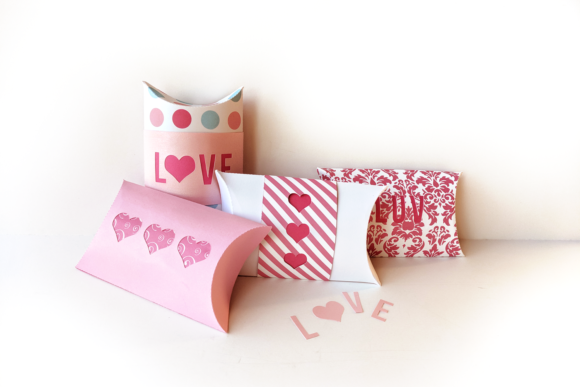
However, professional judgment requires knowing when not to use an asset. The Valentine Love and Hearts Pillow Box should be used carefully in contexts demanding extreme minimalism or strict corporate professionalism. The inherent playfulness of the heart motifs and the soft curves of the pillow shape may clash with a brand identity built on rigid geometric sans-serifs or stark monochromatic palettes. Additionally, in crowded layouts or very small sizes, the delicate nature of the cut-out details—specifically the box with three hearts cut out—could become lost or compromise the structural integrity if the material thickness isn't accounted for.
Visual hierarchy is another critical factor. If these boxes are part of a larger display, they must not overpower the primary message or the product inside. The emotional appeal is strong, which is great for engagement, but it must be balanced with readability. For instance, if you are adding a custom label to the front, ensure the typography contrasts sufficiently against the patterned background of the box design. A heavy script font might compete with the curves of the box, whereas a clean sans-serif or a refined serif font could provide the necessary anchor to maintain visual trust and professionalism.
Practical Designer Notes for Commercial Execution
Before integrating this digital product into a client deliverable, there are several technical checks I always perform. First, test the design in black and white. This reveals whether the contrast relies too heavily on color or if the form holds up on its own—a crucial step for cost-effective printing options. Next, preview the file at both microscopic and macroscopic scales to ensure no nodes are misplaced and that the cut paths are closed and continuous.
Since this is a 3D SVG intended for physical assembly, reviewing the file formats is essential. Ensure the SVG is compatible with your cutting software (like Cricut Design Space or Silhouette Studio) and that any included PNG files have true transparency for seamless integration into web design or editorial design layouts. If you are using this for a print-on-demand service or selling it as an Etsy product, double-check the commercial license. Understanding the permissions regarding resale, modification, and attribution is non-negotiable for avoiding legal pitfalls in commercial design.
Finally, consider the material. A printable design looks different on glossy cardstock versus matte kraft paper. Run a test print to see how the ink absorbs and how the folds crease. Does the "Box with 3 hearts cut out" maintain its shape, or does the paper tear? These practical nuances determine whether a design bundle is merely a pretty picture or a functional tool for business growth. By treating the Valentine Love and Hearts Pillow Box not just as an illustration but as a component of a larger creative design strategy, you can transform a simple seasonal item into a cornerstone of a brand's customer experience.