Reviewing 3D Pumkin: A Designer's Take on Autumn Embroidery
As a designer who spends more time staring at stitch maps than most people spend watching television, I approach every new machine embroidery design with a mix of curiosity and skepticism. We have all been there: you buy a file based on a pretty thumbnail, only to find out the stitch density is so high it turns your fabric into cardboard, or the details are too fine for anything but a museum display. So, when I recently evaluated the 3D Pumkin design, I wasn't just looking at it as a digital asset; I was imagining it stitched out on actual products for real clients.
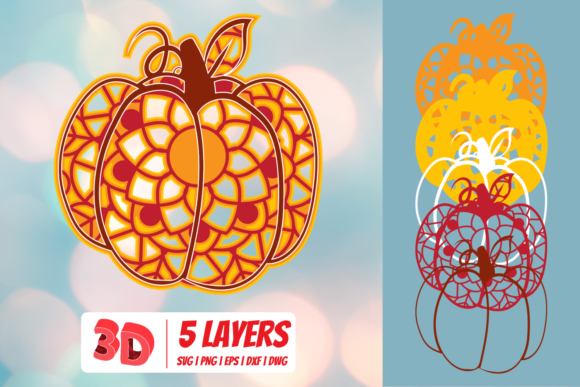
The first thing that strikes you about 3D Pumkin is its visual personality. It doesn't scream "generic clip art." Instead, it has a dimensional quality that suggests depth even before the needle hits the fabric. The layout feels intentional, with curves that seem designed to catch light and shadow once threaded up. For those of us creating handmade products, this kind of visual weight is crucial. It transforms a simple decoration into a focal point. Whether you are aiming for a rustic farmhouse vibe or a modern boutique aesthetic, this design carries enough character to stand on its own without needing excessive embellishment.
Real-World Application: From Digital File to Finished Product
To truly test the viability of an embroidery file, I like to run through specific scenarios. Let's say I have a client order for a set of custom tote bags for a fall festival market. The goal is to create something durable yet festive. 3D Pumkin fits this brief perfectly. On a canvas tote, the dimensional aspects of the design would pop against the textured weave of the fabric. Unlike flat designs that can sometimes get lost in the grain of heavy cotton, the structure here implies volume, making the pumpkin look almost sculpted onto the bag.
I also considered how this would perform as sweatshirt embroidery. Fall apparel is a huge revenue stream for many Etsy sellers and small shop owners. A crewneck sweatshirt in heather grey or burnt orange provides an excellent backdrop. The design's flow suggests it would sit comfortably on the chest or sleeve without distorting the garment's drape. However, because the product category is listed under Shadow Boxes and described as a 3D SVG, there is an interesting crossover potential here. While my primary focus is embroidery, the inclusion of formats like SVG, DXF, and EPS means this asset is versatile. You could embroider the main motif and then use the vector files to cut a complementary vinyl layer for a mixed-media effect, adding true physical depth to a custom apparel piece.
For baby embroidery projects, such as a bib or a onesie, caution is key. Babies have sensitive skin, and bulky stitching can be uncomfortable. If the 3D Pumkin design relies heavily on dense fill stitches or complex layering to achieve its 3D look, it might be too stiff for direct application on infant wear. In this case, I would recommend adapting it into an applique design. By using the provided cut files (SVG, DXF) to cut a fabric shape and then using the embroidery file merely to tack it down or add outline details, you maintain the visual charm while ensuring the finished product remains soft and cuddly.
Technical Considerations for the Working Designer
No design is one-size-fits-all, and practical judgment requires knowing where a file might struggle. When working with 3D Pumkin, pay close attention to the fabric texture. On smooth, tightly woven fabrics like broadcloth or high-quality twill, the details will likely render crisply. However, on textured fabrics like fleece, terry cloth, or heavy linen, some of the finer lines might get swallowed by the pile. If you are planning a project on these materials, consider increasing the scale of the design slightly to ensure clarity.
Another critical factor is the hoop size. While the exact dimensions aren't specified in the download description, dimensional designs often require a bit more room to breathe than flat logos. Before committing to a production run, confirm that your machine's hoop can accommodate the design without crowding the edges. Crowding can lead to hoop burns or distorted shapes, which ruins the professional look of a small shop product.
Stabilizer choice cannot be overstated. To achieve the "3D" effect implied by the name, the stitching likely has significant build-up. Using a lightweight tear-away might result in puckering, especially on stretchy fabrics like jersey knits used for t-shirts. I would strongly advise using a medium-to-heavy weight cut-away stabilizer for garments that need to withstand frequent washing. This ensures the thread colors stay vibrant and the shape remains intact over time, preserving the value of your personalized gift or commercial item.
Enhancing Brand Value and Customer Trust
In the world of commercial embroidery and craft businesses, consistency is everything. Your customers trust you to deliver quality. A design like 3D Pumkin can elevate your brand perception if executed well. It signals that you care about detail and seasonal relevance. When a customer receives a pillow cover or kitchen towel with a rich, dimensional pumpkin motif, it feels premium. It moves beyond a simple craft project into the realm of boutique decor.
However, visual appeal is only half the battle. You must also consider the practicality of the finished product. Will this design hold up on a cap? Curved surfaces are tricky. The stiffness required for a 3D look might make the design sit awkwardly on the structured front panel of a baseball cap, potentially causing the brim to warp. For hats, I would suggest testing a sample first. If the design proves too rigid, it might be better suited for flat items like aprons, placemats, or wall hangings where the structure is an asset rather than a liability.
Final Verdict and Designer Notes
Before you list this as a new item in your store or stitch it onto a client's heirloom quilt, take a moment to run through a checklist. First, always test the design on scrap fabric that matches your final material. Check the contrast of your thread colors; a monochromatic look might be chic, but ensure the different tones distinguish the layers clearly. Review the stitch density settings on your machine—if the design allows for adjustment, don't be afraid to tweak it to suit your specific thread tension.
Since the download includes a zipped folder with SVG, DXF, PNG, DWG, and EPS formats, you have flexibility. The SVG compatibility with Cricut Design Space and Silhouette Designer Edition opens doors for hybrid projects. Imagine an embroidered patch where the background is cut from felt using the DXG file, and the details are stitched. This kind of innovation sets craft business owners apart from the competition.
Lastly, verify the licensing terms. The description mentions usage with various cutting software but doesn't explicitly detail commercial rights for the embroidery aspect specifically. Always confirm whether you can sell the digital embroidery file itself or only the physical finished product. Protecting your business legally is just as important as protecting your stitch count.
In summary, 3D Pumkin offers a compelling blend of seasonal charm and structural interest. It is a strong candidate for autumn collections, provided you respect the technical requirements of dimensional stitching. With the right fabric, proper stabilizer, and a keen eye for detail, this design can become a staple in your repertoire of holiday embroidery assets, delighting customers and enhancing your portfolio of design assets.