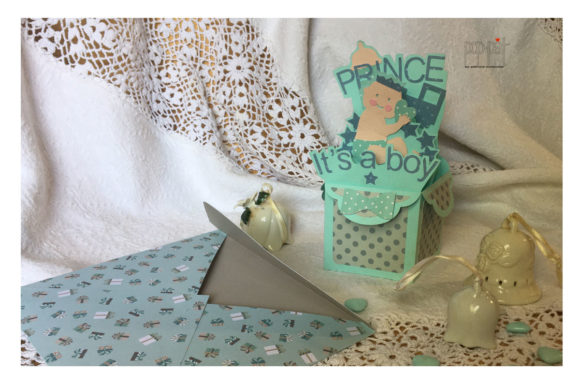
Prince: A Versatile 3D SVG for Shapes & Sales
As a digital product creator who has spent years navigating the ups and downs of Etsy, Creative Fabrica, and various print-on-demand platforms, I approach every new graphic design asset with a critical eye. It is not just about whether a file looks pretty; it is about whether it can be transformed into a profitable digital product that solves a problem for a buyer or enhances a physical item. Recently, I evaluated an asset titled Prince, a file set described as compatible with major cutting machines and design software. My goal was to determine if this specific shape could hold its own in a crowded marketplace of design assets intended for commercial use.
Upon opening the folder, the first impression of Prince is one of structured elegance mixed with a touch of whimsy. The visual personality leans towards the regal yet accessible, making it a strong candidate for niche markets ranging from nursery decor to boutique branding. Unlike generic geometric forms, this shape carries a distinct mood that suggests quality and intention. For sellers targeting parents looking for royal-themed bedroom art or crafters creating party invitations, the appeal is immediate. It feels less like a basic clipart and more like a foundational element for a cohesive brand identity. The aesthetic is clean enough for modern minimalism but detailed enough to stand out in a festive or decorative layout.
Integrating Prince into a Product Lineup
The true test of any SVG design or illustration is its versatility across different product categories. In my hypothetical shop scenario, I imagined launching a "Royal Celebration" collection. Here, Prince serves as the anchor. Because the file formats include vector options alongside raster images, the potential applications are vast. For print-on-demand sellers, this asset translates beautifully onto t-shirts and tote bags. The lines are crisp, ensuring that when printed on fabric, the image retains its definition without blurring.
For those focused on digital downloads, the utility expands further. I can easily see this being used to create planner stickers, where the shape acts as a frame for dates or notes. In the realm of sublimation design, Prince works exceptionally well on mugs and tumblers. The curvature of the shape complements cylindrical products, allowing for a seamless wrap design that looks professional rather than slapped on. Furthermore, for Canva template sellers, this graphic can be dropped into invitation layouts or social media kits, providing users with a premium-looking element that elevates their own DIY projects.
The compatibility aspect is crucial for my workflow. The files are engineered to work smoothly within ecosystems like Cricut Design Space and Silhouette Studio. This means that if I am selling a Cricut project file or a cut-ready bundle, the end-user will not face frustration with broken paths or ungrouped layers. The inclusion of a photo tutorial adds significant value, acting as a trust-builder for customers who might be newer to crafting. It signals that the seller cares about the user experience, which is vital for maintaining high ratings in a creative marketplace.
Enhancing Product Presentation and Visual Hierarchy
In the world of online selling, your thumbnail is everything. A strong product mockup can be the difference between a scroll-past and a click-through. Prince excels here because of its bold silhouette. When used in listing images, it creates an instant focal point. I tested this by placing the shape against various backgrounds in my mockup software. On white backgrounds, it offers a clean, high-contrast look ideal for Etsy product listings that need to appear professional and trustworthy. On darker backgrounds, it provides a striking pop that can highlight premium features of a design bundle.
Visual storytelling is another area where this asset shines. If you are building a seasonal collection, perhaps for a baby shower or a birthday party, using Prince consistently across invitations, cupcake toppers, and banner graphics creates a unified brand experience. This consistency builds customer trust and increases the perceived value of the entire package. It allows a small business branding effort to look established and thoughtful, rather than pieced together from disparate sources. The shape supports a clear visual hierarchy, guiding the viewer's eye to the most important information in a layout, whether that is a date on an invite or a price on a promotional graphic.
Strategic Placement and Potential Pitfalls
While Prince is a robust asset, it is not a one-size-fits-all solution for every scenario. There are specific contexts where caution is required. For instance, if you are designing tiny sticker design elements meant for intricate scrapbooking pages, the details might get lost if the final cut size is too small. Complex layouts that already feature heavy text or busy patterns should be approached carefully; adding another detailed shape can clutter the composition and reduce readability.
Additionally, when working with low-resolution print products, one must ensure the source file is scaled correctly to avoid pixelation, although the vector nature of the 3D SVG helps mitigate this. Dark backgrounds require a check on contrast; if the shape is dark itself, it may vanish without a stroke or shadow effect. For Cricut or Silhouette users who rely on clean cutting lines for weeding, it is essential to inspect the path integrity. While the files are generally well-optimized, a quick test cut on scrap vinyl is always a prudent step before releasing a file to customers or producing a large batch of merchandise.
Practical Notes for the Commercial Seller
Before listing any product featuring Prince, I recommend a rigorous testing phase. First, test the design on real mockups to see how it interacts with lighting and texture. A flat PNG might look fine on a screen, but does it look realistic on a ceramic mug or a cotton tee? Second, verify the transparency of the PNG files to ensure there are no unwanted white halos around the edges, which can ruin a professional look.
Typography pairing is another critical consideration. This shape pairs wonderfully with serif fonts for a classic, royal feel, or handwritten fonts for a softer, more personal touch. Avoid overly decorative display fonts that might compete with the shape's own character. Finally, and most importantly, confirm the commercial license terms. Understanding exactly how you can use this commercial design—whether for unlimited physical goods or restricted digital templates—is fundamental to protecting your handmade business from legal issues.
In conclusion, Prince represents a solid investment for creators looking to expand their catalog of Shapes and decorative elements. Its adaptability across packaging design, social media graphics, and physical merchandise makes it a versatile tool in the digital seller's arsenal. By approaching it with a strategic mindset—testing thoroughly, pairing it wisely, and understanding its limitations—you can leverage this asset to create a polished, profitable, and visually compelling product line.