Panda Card Review: A Versatile 3D SVG for Crafters
When I first opened the folder labeled Panda Card, I wasn't looking for just another cute animal graphic to add to my library. As someone who spends hours hooping fabric, testing stabilizers, and calculating stitch density for client orders, I need files that translate well from a screen to a tangible, stitched reality. This product arrives as a zip file containing SVG and PNG file types, marketed as compatible with Silhouette Studio, Cricut Design Space, Scan N Cut, Adobe Illustrator, and other cutting and design programs. While the description highlights its utility for cutting machines, my interest lies in how this 3D SVG functions as a foundation for a high-quality machine embroidery design.
First Impressions and Visual Personality
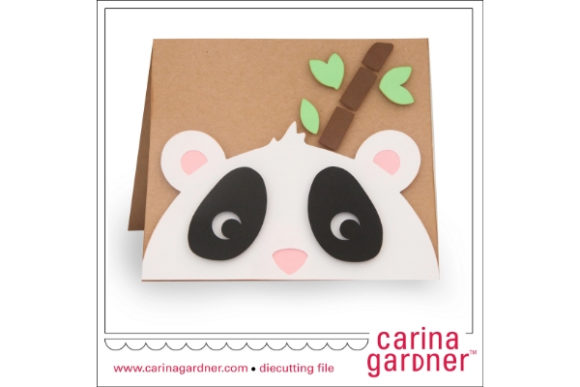
The immediate appeal of Panda Card is its clean, geometric yet approachable aesthetic. Belonging to the Shapes category, it avoids the overly complex, sketchy lines that often cause headaches during digitizing or stitching. The mood it creates is playful but structured, making it an excellent candidate for modern nursery decor or boutique branding where clarity is key. The visual personality suggests a design that won't get lost in the texture of the fabric. For an embroidery project, this is crucial; simple, bold shapes often yield the most professional finished product because they allow the thread to do the talking without fighting against tiny, fragile details.
What stands out is the potential for layering. Since this is described as a 3D SVG, the file structure likely separates elements in a way that encourages depth. In an embroidery context, this translates beautifully to appliqué work or multi-color fill stitches. It feels less like a flat clipart image and more like a constructed element ready to be built up with thread.
Real-World Application: The Custom Tote Bag Scenario
To truly evaluate Panda Card, I imagined a specific real-life scenario: preparing a custom order for a local bookstore that wanted branded tote bags for their summer reading program. They needed something durable, recognizable, and quick to produce in bulk. This is where the practical value of the design shines.
Using the SVG file, I imported the shape into my embroidery software to generate the stitch file. The clean lines of the panda meant I could confidently use a satin stitch for the outlines and a dense fill stitch for the body without worrying about excessive pull or distortion on the canvas material of the tote. The result was a crisp, defined image that held up well against the coarse texture of the bag. Unlike intricate designs that can look muddy on textured fabrics, Panda Card maintained its integrity. For an Etsy seller or small shop product creator, this reliability is gold. It means fewer ruined blanks and happier customers who receive a handmade product that looks professionally manufactured.
Beyond tote bags, this design fits seamlessly into sweatshirt embroidery. The slightly rounded, soft edges of the panda shape complement the casual drape of fleece or cotton blends. Whether placed on the chest of a hoodie or as a large back print, the scale of the design allows for significant visual impact. It also works wonderfully as an embroidered patch. Because the shapes are distinct, you can easily create a merrowed edge or a tight satin border around the perimeter, turning the digital asset into a standalone accessory that clients can iron onto jackets or backpacks.
Navigating Fabric Challenges and Technical Considerations
However, no design is without its constraints, and a responsible reviewer must address where caution is needed. While Panda Card is versatile, its performance depends heavily on your choice of materials and stabilization. If you are working with stretchy fabrics like jersey knits for baby embroidery projects, the density of the fill stitches required to make the panda pop could cause the fabric to pucker if not properly stabilized. In these cases, using a cut-away stabilizer is non-negotiable to maintain the shape's geometry over time.
Similarly, when working on curved surfaces like caps or hats, the layout of the design needs careful consideration. The "card" aspect of the name implies a somewhat rectangular or contained footprint, which is generally good for caps, but you must ensure the width fits within your available hoop size. Always check the dimensions of the SVG before committing to a stitch-out. If the design includes very small internal details—like eyes or nose features—you might need to simplify them or enlarge the overall design when stitching on dark or thick fabrics where thread spread can obscure fine lines.
For those considering this for holiday embroidery or gifts that will undergo frequent washing, such as kitchen towels or aprons, thread color contrast is vital. The panda theme naturally lends itself to black and white, but don't be afraid to experiment. A navy blue panda on a cream linen towel can look incredibly sophisticated. Just remember to test your thread choices on scrap fabric first. What looks vibrant on the spool might appear dull once stitched, or conversely, a dark thread might bleed into a light fabric if the stitch density is too high.
Commercial Viability and Brand Consistency
From a business perspective, Panda Card offers strong potential for commercial embroidery ventures. Its generic yet charming nature makes it adaptable for various niches without feeling too specific to one occasion. This flexibility aids in brand consistency; you can use the same core shape across different products—mugs (via sublimation using the PNG), shirts, and bags—creating a cohesive line of merchandise. For digital product sellers, the included PNG is perfect for creating printable mockups to showcase your physical goods online, helping to drive buyer engagement before the item is even stitched.
Customer trust is built on quality. A design that stitches out cleanly, with no jumps or messy underlay showing through, signals professionalism. Panda Card, with its solid shapes, minimizes the risk of these common errors, provided the digitizing settings are adjusted correctly for the specific machine and thread being used. It enhances the perceived value of the personalized gift or custom apparel it adorns.
Final Designer Notes and Recommendations
Before launching into production with Panda Card, here are a few practical steps I recommend based on experience:
- Test on Scraps: Always run a test stitch on the exact fabric type you plan to use. This reveals how the stitch density interacts with the weave.
- Check Licensing: Although the file is versatile, always confirm the licensing terms included in the zip file before selling finished items or using the design in commercial assets.
- Stabilizer Selection: Match your stabilizer to the fabric weight. Heavier fabrics might only need tear-away, but for stretchy knits or high-density fills, cut-away is safer.
- Color Contrast: Preview your design in black and white to ensure the shapes remain distinct without relying solely on color differences.
- Hoop Confirmation: Verify that the design fits your specific hoop size, especially if you are working with smaller machines or restricted areas like cap fronts.
In conclusion, Panda Card is a robust addition to any designer's toolkit. It bridges the gap between digital cut files and physical embroidery with grace. Whether you are a hobbyist making a holiday gift or an apparel decorator fulfilling a large order, this design offers the clarity and charm needed to create standout pieces. By respecting the technical requirements of fabric and thread, you can transform this simple SVG into a premium design asset that delights customers and elevates your craft business.