Butterfly Card Design: 3D SVG Shapes for Crafts
As someone who has spent years running a handmade business and fulfilling custom orders for everything from wedding favors to seasonal market stalls, I approach every new graphic design asset with a critical eye. It is not just about whether a file looks pretty on a screen; it is about how it performs when cut from vinyl, printed on sublimation paper, or adhered to a textured tote bag. Recently, I had the chance to review the Butterfly Card Design, a digital product that promises versatility for crafters using Cricut and Silhouette machines. My goal was to determine if this file could hold up under the pressure of real-world production for an Etsy shop or a local craft fair.
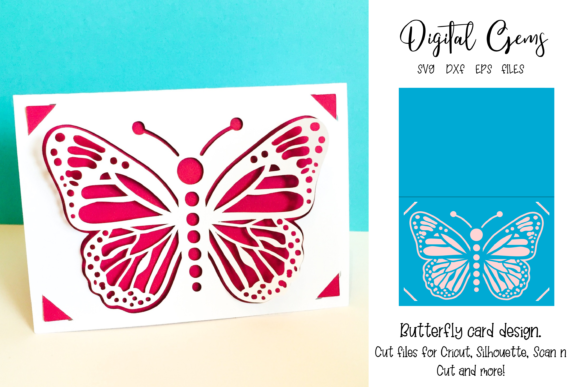
Upon opening the file, the first impression was one of delicate elegance mixed with a playful spirit. The design does not scream "rustic" or "industrial"; instead, it leans heavily into a feminine and decorative aesthetic. This mood suggests that the primary customer base for products made with this asset would be those seeking personalized gifts, bridal shower items, or spring-themed home decor. The lines are fluid, creating a sense of movement that is essential for a butterfly motif. For a small business owner, this visual personality is crucial because it helps define your brand voice. If your shop specializes in cozy, minimal goods, this might be too ornate, but for a brand focused on celebration and beauty, it is a perfect fit.
Real-World Applications for Handmade Sellers
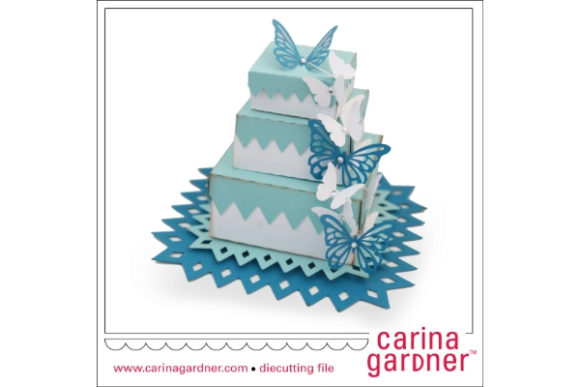
The true test of any SVG design is its adaptability across different mediums. I immediately envisioned using the Butterfly Card Design for a batch of custom tumblers, a staple product for many creative entrepreneurs. Because the file is categorized under Shapes and utilizes a 3D SVG structure, it allows for layering. In a practical workflow, this means you can cut the wings from one color of adhesive vinyl and the body from another, creating depth without needing complex weeding techniques. This is ideal for tumbler wrap projects where dimension adds perceived value to the final product.
Beyond hard goods, this asset shines in paper crafting. I tested the layout for a series of greeting cards and gift tags, which are high-margin items for holiday seasons. The design scales beautifully; when resized for a standard A2 card, the details remained crisp. For Cricut project enthusiasts, the ability to ungroup the elements is a game-changer. It allows you to separate the wings to create a pop-up effect or to scatter individual elements across a planner page for sticker sheets. Speaking of stickers, this illustration works wonderfully as a sticker design for printable vinyl. The clean outlines ensure that print-and-cut machines can recognize the shapes easily, reducing waste and frustration during production.
I also considered its potential for apparel. While intricate details can sometimes get lost on fabric, this design holds up well as a t-shirt design when using heat transfer vinyl (HTV). By simplifying the layers—perhaps using a single color for a bold look—it becomes a versatile option for spring collections. Furthermore, for those involved in sublimation design, the PNG version of this clipart offers excellent transparency. I previewed it on a mockup of a white ceramic mug, and the colors popped against the background, suggesting it would sell well as a mug design for Mother's Day or birthdays.
Technical Considerations and Workflow Tips
However, no review is complete without addressing the technical nuances that can make or break a production run. The product description notes that users must ungroup the design and adjust line settings in the middle of the composition. From my experience, this is a vital step. When I uploaded the file to my design software, I found that failing to ungroup the elements initially caused the cutting machine to treat the entire butterfly as a single solid shape, which ruined the intended layered effect. Once I separated the components, I could assign different cut pressures and colors, unlocking the full potential of the 3D SVG format.
Crafters should exercise caution when using this asset for very small applications. While the Butterfly Card Design is stunning at larger sizes, some of the finer wing details may be too delicate for tiny stickers or intricate Silhouette project cuts on fragile materials like vellum. If you are creating jewelry charms or miniature embellishments, I recommend simplifying the path or removing the smallest internal cuts to prevent tearing. Additionally, when working with layered vinyl, ensure there is enough contrast between the colors you choose. Low-contrast combinations can make the beautiful 3D effect disappear, rendering the design flat and less impactful.
For those planning to use this in a handmade business, testing is non-negotiable. Before listing finished products on your Etsy product pages or taking orders at a craft fair, always run a test cut. Check if the SVG lines are clean and free of stray nodes that could cause your blade to drag. If you are offering this as part of a design bundle or using it for client work, confirm the commercial licensing terms. Most assets from a creative marketplace allow for unlimited physical end-products, but restrictions may apply if you intend to resell the digital file itself.
Maximizing Value for Your Brand
To truly leverage this digital product, think about how it fits into your broader collection. The Butterfly Card Design pairs exceptionally well with script fonts for wedding invitations or bold sans serif fonts for modern party decorations. I found that combining it with a handwritten font style created a cohesive, artisanal look for thank-you cards included in customer packages. This attention to detail enhances small business branding and encourages repeat buyers.
When creating product mockups for your online store, place this design on real-world backgrounds. Show it on a dark t-shirt to demonstrate versatility, or on a kraft paper tag to highlight its rustic charm. Remember that while the file is ready to use, your creativity determines its success. Resize it for different products, from large wall art to small printable designs for planners. Whether you are a hobby maker looking to personalize a gift or a seasoned pro managing a print-on-demand inventory, this asset provides a solid foundation.
In conclusion, the Butterfly Card Design is a robust tool for the modern crafter. Its strength lies in its flexibility as a clipart and cut file, suitable for a wide array of commercial design projects. By understanding its technical requirements—specifically the need to ungroup and adjust settings—you can avoid common pitfalls and produce high-quality goods. Whether you are making tote bags, sublimation mugs, or elaborate scrapbook layouts, this design offers the elegance and functionality needed to elevate your handmade creations.